Mushrooms
What Mushrooms Are Good for Anxiety: Functional vs Psilocybin in Canada
Apr
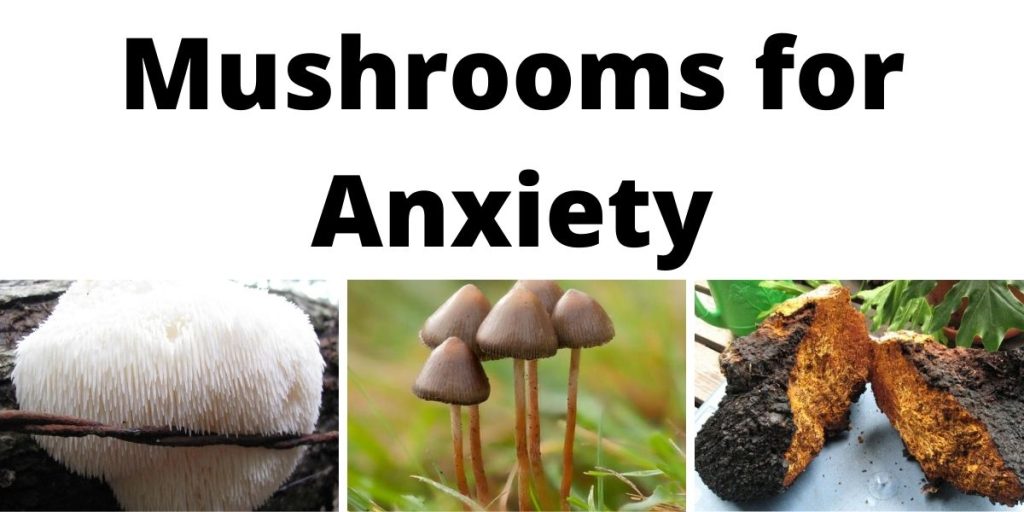
Two categories of mushrooms come up regularly when people research anxiety: functional mushrooms like lion’s mane and reishi, and psilocybin mushrooms. The evidence behind each is different, and so are the experiences. This page covers both so you can make an informed comparison.
Functional Mushrooms With Evidence for Anxiety
These are legal mushrooms widely sold in Canada at health food stores and online. They are taken as supplements, typically as powder or capsule extracts.
Lion’s mane (Hericium erinaceus) has the most clinical support among functional mushrooms for mood and cognition. A 2010 study in Biomedical Research found that women who consumed lion’s mane for four weeks reported significantly lower anxiety and depression scores compared to a placebo group. The proposed mechanism involves compounds called hericenones and erinacines, which may stimulate nerve growth factor (NGF) synthesis. NGF plays a role in mood regulation and cognitive function.
Reishi (Ganoderma lucidum) is frequently marketed for anxiety, but the human clinical evidence is limited. Most studies have focused on fatigue and sleep quality rather than anxiety directly. There is some evidence it reduces fatigue-related tension, which can overlap with anxiety symptoms. It is not a first-line choice if anxiety is the primary concern.
Cordyceps is primarily studied for energy and exercise performance. There is no strong clinical evidence for anxiety specifically, though some people report it indirectly through reduced fatigue.
With functional mushrooms, effects are gradual. Most research protocols run four to twelve weeks before effects are assessed.
Psilocybin Mushrooms and Anxiety
Psilocybin mushrooms produce effects through a different pathway and have generated more substantial clinical research results.
In 2016, a Johns Hopkins study published in the Journal of Psychopharmacology found that a single high-dose psilocybin session produced significant reductions in anxiety and depression in patients with life-threatening cancer diagnoses. At the six-month follow-up, 80% of participants showed clinically significant improvement. A separate NYU study published the same year found nearly identical results.
A 2020 Johns Hopkins study in JAMA Psychiatry extended this to major depressive disorder. Participants showed a 71% response rate from two psilocybin sessions, with many maintaining improvement at the 12-month mark, outcomes that compare favorably to conventional antidepressant trials.
The proposed mechanism involves psilocybin temporarily disrupting the default mode network, the brain system associated with rumination and rigid thinking patterns. The resulting shift can interrupt anxiety cycles that have been running on autopilot.
Microdosing vs a Higher Dose
Most people exploring psilocybin for anxiety start with microdosing. Sub-perceptual doses, typically 0.05g to 0.3g of dried mushrooms or a low-dose capsule, do not produce a noticeable altered state. The goal is a subtle reduction in background anxiety and increased cognitive flexibility over days and weeks. A common protocol runs one day on, two days off, for four to eight weeks.
A moderate or higher dose (2g and above) is a more intensive experience and not suitable for everyone. People who have used this approach for anxiety often describe it as confronting rather than comfortable in the moment, but meaningful over a longer timeframe. Set and setting matter significantly at these doses.
These two approaches serve different needs. Microdosing is closer to a daily supplement. A guided or intentional session is closer to a one-time intervention.
What to Know Before You Buy Psilocybin Products in Canada
Psilocybin remains a controlled substance under the Controlled Drugs and Substances Act, though Health Canada has granted Section 56 exemptions for therapeutic and research use since 2020, and several Canadian universities are running clinical trials.
For adults outside a clinical setting, access is through grey-market vendors who ship discretely. When evaluating any psilocybin product:
- Dried mushrooms should come from the fruiting body, not mycelium grown on grain. Fruiting bodies have a higher concentration of psilocybin and psilocin.
- Capsules should state the dose per capsule clearly. Guessing at a microdose is the most common mistake people make.
- Strain matters for the type of experience. Golden Teacher and other Psilocybe cubensis strains tend to produce a clear-headed, introspective effect. More potent strains like Penis Envy are less recommended as a starting point for anxiety work.
If you are on SSRIs, consult a healthcare provider before combining them with psilocybin. The interaction can blunt the effect and, at higher doses, carries other considerations.
Organic Shrooms Canada carries microdose capsules and a full range of dried mushrooms shipped Canada-wide.
FAQs
Do grocery store mushrooms help with anxiety?
Common edible mushrooms like shiitake and portobello contain potassium, B vitamins, and ergothioneine, which support general health. Some animal studies suggest anxiolytic effects. The concentrations of active compounds are much lower than in functional or psilocybin mushrooms, and strong human clinical data for anxiety specifically does not exist.
Is microdosing psilocybin safe?
Sub-perceptual doses have a low acute toxicity profile. The primary cautions are for people with a personal or family history of psychosis or schizophrenia, who should avoid psilocybin entirely. Anyone currently on SSRIs should speak with a healthcare provider before starting, as the combination requires careful consideration of timing and dose.
How long do the effects of psilocybin on anxiety last?
In the Johns Hopkins cancer anxiety studies, 80% of participants showed clinically significant improvement at the six-month follow-up from a single session. Longer-term data from ongoing trials suggests effects can persist beyond one year for some participants, though this varies considerably by individual.
Is lion’s mane or psilocybin better for anxiety?
They work through different mechanisms and suit different situations. Lion’s mane is gradual, legal, and appropriate for mild ongoing anxiety. Psilocybin produces faster and more dramatic results in clinical trials but is a controlled substance and a more intensive experience. They are not interchangeable and serve different purposes.
